Tax (US)
Freelancer Taxes, Explained Without the Jargon (US)
What freelancers actually owe, when quarterly payments fall due, and how much to set aside from each payment. US rules, educational only.
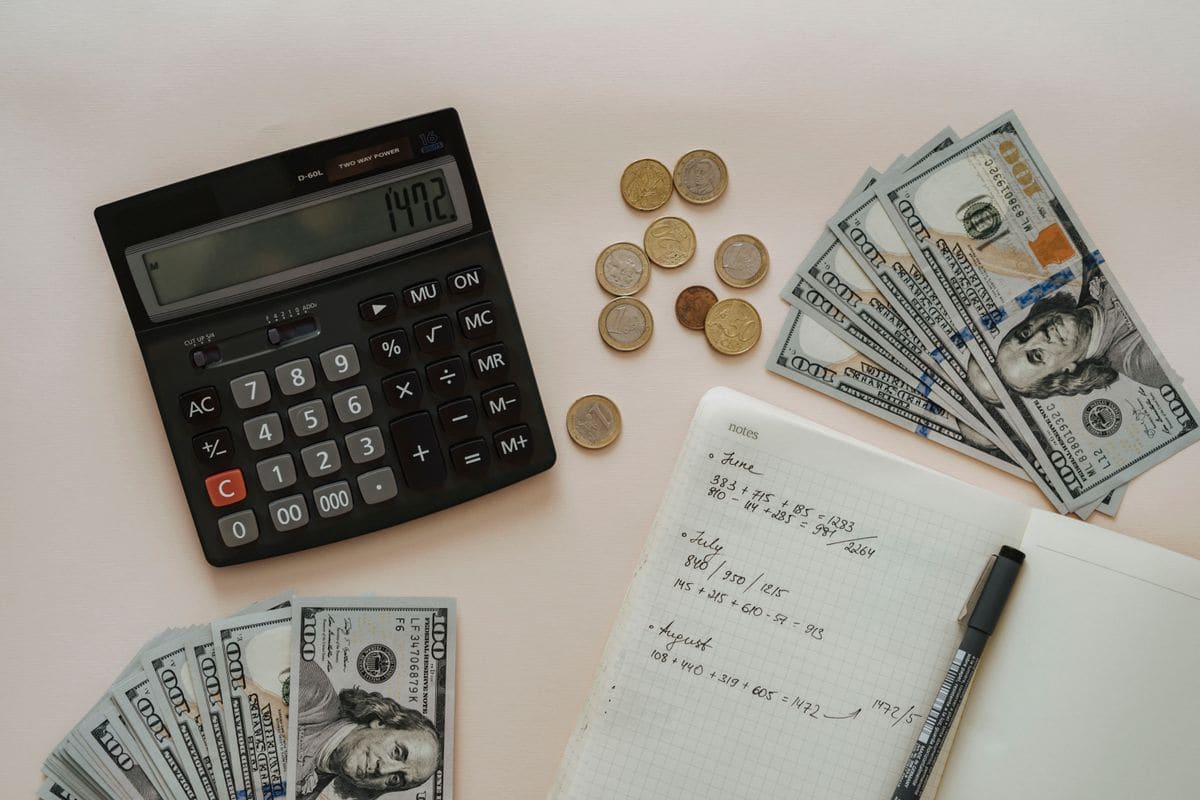
Nobody withholds tax from a freelancer's pay. That means the tax bill arrives later, all at once, and it surprises people who spent the money months earlier. The fix is boring and it works: move a share out of every payment, the day it lands.
Why the share looks so high
In the US, self-employment tax alone is 15.3% on net earnings, before federal income tax. Add income tax and, in many states, state tax, and a 25–30% reserve is a common starting point — not a rule, and not your bill. Your real rate depends on deductions, total income, and where you live.
The quarterly rhythm
Estimated taxes are paid quarterly, not once a year. The quarters aren't even equal — the second one covers only April and May — so the first two payments land about two months apart. Miss them and penalties can follow, even if you eventually pay in full.
Start with the tax set-aside calculator. Consult a tax professional before filing or changing how much you pay — this pillar explains the system, it doesn't calculate your return.
Guides in this pillar

Guide · HOLD
How Much of Each Freelance Payment Should You Put Aside for Tax? (US)
Work out your own set-aside share, with the maths shown.

Guide · HOLD
Freelancer Quarterly Taxes: The Dates, the Safe Harbor Rule, and How to Pay (US)
The dates, the safe-harbor rule, and how to pay.

Guide · HOLD
Self-Employment Tax: The 15.3% Nobody Warns New Freelancers About (US)
Why SE tax surprises new freelancers, step by step.

Guide · HOLD
Freelancer Tax Deductions: What You Can Claim, What You Can't (US)
What you can claim, what you cannot, and what to prove.

Guide · HOLD
Your First Year Freelancing: 1099s, Filing, and the Mistakes to Skip (US)
1099s, filing, and the mistakes to skip in year one.
Calculators for this pillar
This space is reserved for a future ad. No ad is shown here yet.
Educational only. These numbers are estimates from the assumptions shown on the page — not advice for your situation, and not a prediction of what you'll owe or save. Tax and retirement rules change. Consult a tax professional before you act on a tax or retirement figure.